-
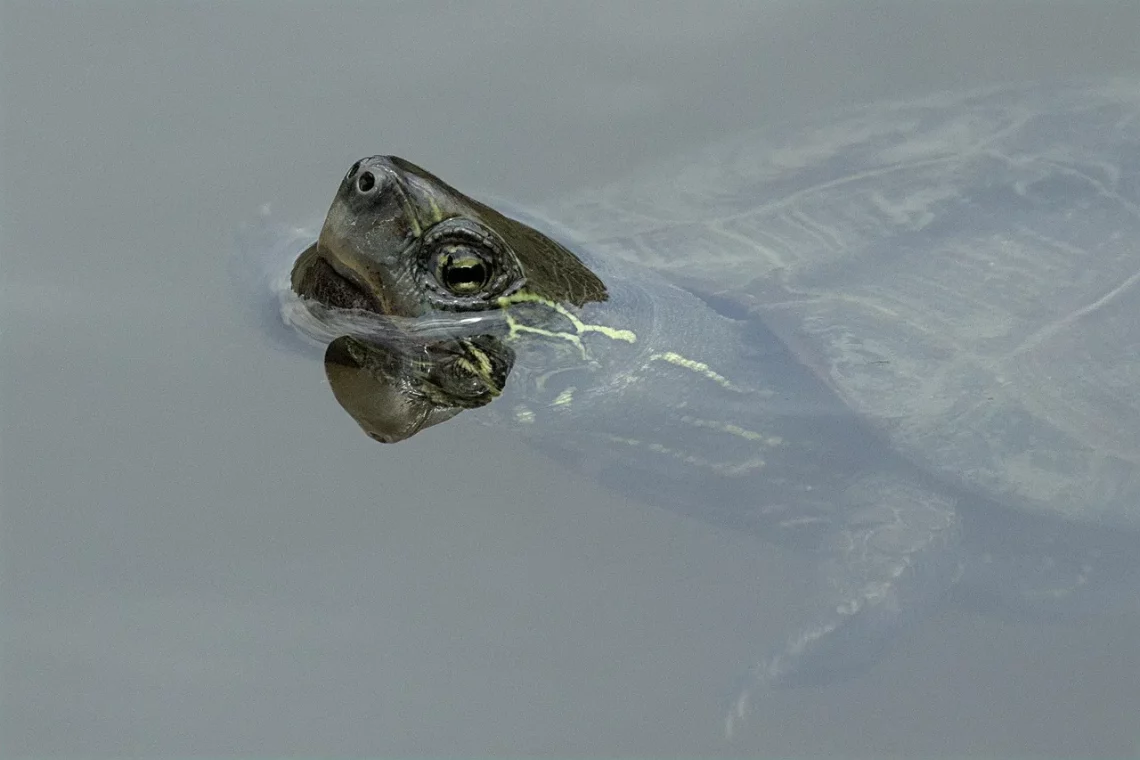
Essential Guide to Yellow Eared Turtle Care and Maintenance
The yellow eared turtle, known for its distinctive markings and engaging personality, has captured the hearts of many reptile enthusiasts. These aquatic creatures are not only visually striking but also possess unique behavioral traits that make them fascinating companions. However, like all pets, they require specific care and attention to thrive in a home environment. Understanding their natural habitat and behavioral needs is essential for providing them with the best possible care. Originating from the wetlands of Central and South America, yellow eared turtles are adapted to a semi-aquatic lifestyle. They thrive in warm temperatures and require both water and land areas to bask, feed, and socialize. Key factors that…
-
Do Toads Need a False Bottom for Their Habitat Setup?
Toads are fascinating creatures that play a significant role in the ecosystem. These amphibians are often misunderstood, leading to misconceptions about their needs and habitat requirements. As more people take an interest in keeping toads as pets, it is crucial to understand their natural behaviors and the environments they thrive in. One of the key aspects of creating a suitable habitat for toads is understanding the importance of substrate and the potential benefits of incorporating a false bottom in their enclosure. Creating a balanced environment for toads can significantly impact their health and well-being. The right setup not only mimics their natural habitat but also provides essential elements for their…
-
Understanding the Lifespan of a Blue Tongue Skink in Captivity
Understanding the Lifespan of a Blue Tongue Skink in Captivity Blue tongue skinks, with their striking appearance and gentle demeanor, have become increasingly popular among reptile enthusiasts. These lizards, characterized by their distinctive blue tongues, are native to Australia and New Guinea, thriving in a range of environments from forests to grasslands. As fascinating creatures, they possess unique adaptations that allow them to survive in the wild, but many enthusiasts are keen to understand how these traits translate to a life in captivity. In captivity, the lifespan of a blue tongue skink can vary significantly based on several factors, including diet, habitat, and overall care. While these lizards can live…